San Diego Home Builder: Reliable New Home Development Specialists for Homeowners
Home Remodeling Made Easy: A In-Depth Tutorial for Homeowners
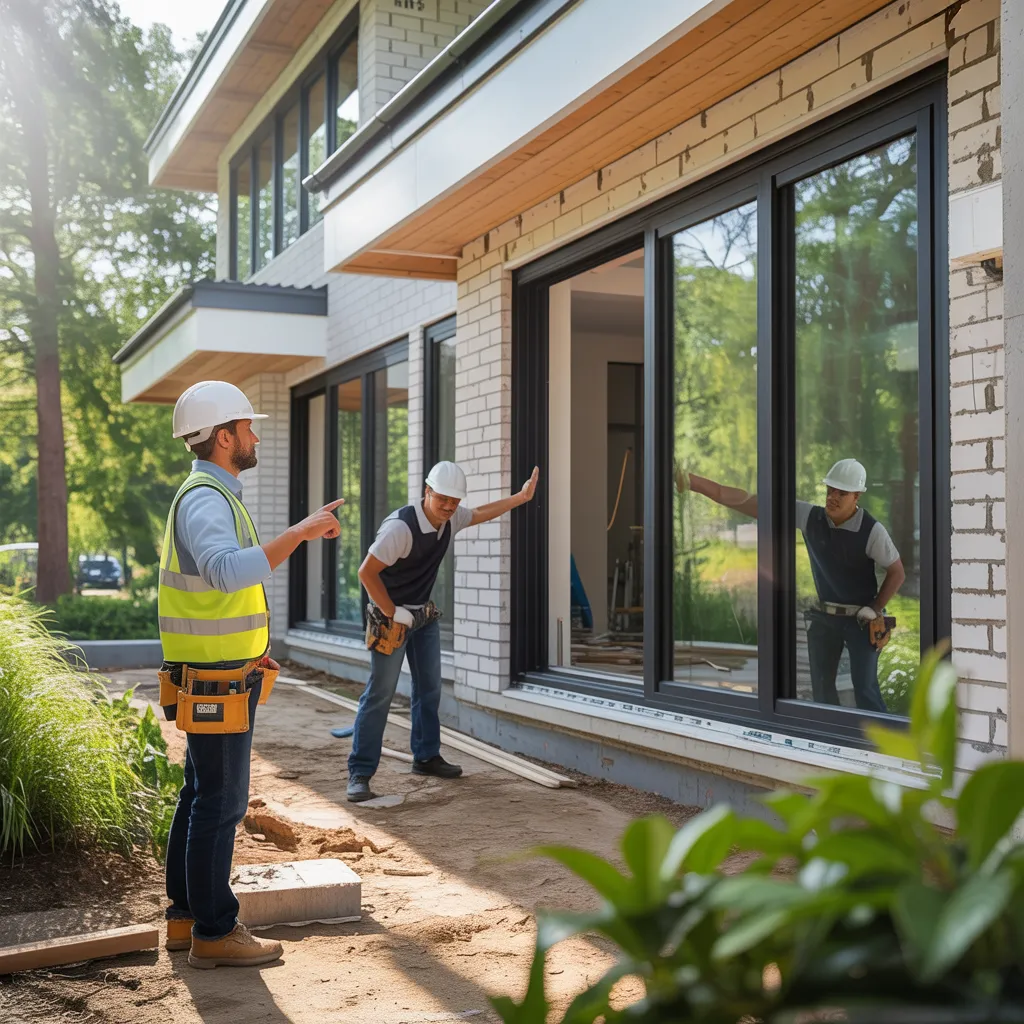
Home remodeling can be an intimidating task for many homeowners. overview Understanding one's needs and setting practical goals is vital. An structured approach can make the process easier and more effective. This guide offers helpful insights into budgeting, design, and choosing the right supplies. Homeowners may find themselves contemplating the best methods for maneuvering these obstacles. What essential steps should they evaluate to ensure a successful transformation of their homes?
Evaluating Your Needs and Objectives
When examining their wants and objectives for home renovation work, homeowners often wonder where to get started. The first step encompasses a thorough assessment of their actual home state and desired outcomes. Homeowners should consider specific areas that require improvement, such as aging kitchens, insufficient storage, or insufficient room. Detecting these issues can help prioritize projects based on pressing need and obligation.
Moreover, homeowners should reflect on their upcoming goals. Are they looking to maximize comfort, strengthen property value, or design a more functional space for family gatherings? Recognizing these intentions will determine the renovation process and verify that the completed project corresponds their perspective.
Furthermore, gathering input from family members can be beneficial, as varied viewpoints may reveal additional needs or preferences. By taking the time to assess their objectives and requirements, homeowners can lay a solid foundation for a thriving renovation project.
Developing a Realistic Budget
Creating a reasonable budget is essential for a prosperous remodeling project. Homeowners should start by assessing project costs, factoring in materials, labor, and design elements. Additionally, reserving contingency funds can assist manage unexpected expenses that may occur during the remodeling process.
Determine Project Financial Requirements
A thorough understanding of remodeling expenses is crucial for property owners starting on a remodeling journey. To accurately estimate expenses, they should consider elements including supplies, labor, permits, and unexpected problems. Researching local market rates for supplies and hiring contractors can provide a more transparent financial picture. Homeowners should also factor in the size and complexity of the project, as these elements significantly impact expenses. Creating a detailed list of required materials and services will help in compiling quotes. It is recommended to obtain multiple quotes from builders to guarantee favorable rates. By establishing a precise budget
Reserve backup financial resources for unexpected costs
Calculating project costs establishes the foundation for proper financial planning, but homeowners must also consider unforeseen costs that may occur during a remodeling project. A common recommendation is to allocate a contingency fund, usually spanning from 10% to 20% of the overall budget. This allocation functions as a monetary cushion, allowing property owners to address unexpected problems such as structural repairs or material price increases without derailing the whole undertaking. By preparing for these possible expenses in beforehand, homeowners can exercise better management over their finances and reduce stress throughout the remodeling process. Ultimately, a well-prepared budget that includes reserve allocations enhances the probability of a prosperous and gratifying renovation experience.
Arranging Your Room
How can homeowners strategically plan their space to reflect their personal style while maximizing practicality? To accomplish this goal, they should begin by assessing their requirements and lifestyle. Comprehending how each room will be utilized directs the overall layout and flow. Homeowners might consider creating zones for different activities, ensuring that busy spaces stay unobstructed and reachable.
Adding elements that reflect personal taste, such as color schemes, furniture styles, and decorative accents, allows for a singular voice without diminishing practicality. Additionally, integrating adaptable furniture can strengthen functional capacity, especially in confined areas.
Natural light serves as another essential element; increasing natural light through windows or incorporating mirrors can establish a more appealing atmosphere. Ultimately, homeowners should think about sizing and balance, making sure that pieces suit the room's dimensions while maintaining an tidy appearance. By merging style with thoughtful design, property owners are able to create a balanced living space tailored to their likes.

Determining Materials and Finishes
When picking materials and finishes, homeowners should prioritize both visual appeal and durability to ensure their selections endure the test of time. The decision-making process starts with understanding the desired style of the space, as different products can create distinct atmospheres. For example, natural wood can create warmth, while modern metal finishes may give a modern edge.
Home buyers should also reflect on the maintenance requirements of each material. Some finishes may necessitate more attention than others, shaping long-term satisfaction. Additionally, financial restrictions serve as a vital factor; opting for superior yet budget-friendly options can provide lasting value.
Sustainability is becoming increasingly crucial, prompting many to select eco-friendly materials that reduce environmental impact. Finally, homeowners should collect samples to visualize how chosen materials will work with lighting and existing elements in the space. This hands-on approach aids in making well-considered choices that align with both personal style and practical needs.
Hiring the Best Team Members
When hiring professionals for home remodeling, homeowners must thoroughly evaluate their qualifications and experience to ensure quality work. Additionally, reviewing price quotes from various service providers can help in making informed financial decisions. These steps are crucial in finding the right expertise for a prosperous renovation project.
Assessing Abilities and Experience
Engaging the appropriate professionals for a home renovation project demands meticulous evaluation of their credentials and experience. Property owners should start by confirming qualifications, making sure that contractors possess the necessary permits and credentials pertinent to the project. Additionally, examining a portfolio of past work can offer understanding into a professional's style and level of workmanship. It is also beneficial to request references from past clients to gauge satisfaction and reliability. Experience in particular types of remodeling, such as kitchen or bathroom renovations, can be vital; experts often have the advanced skills needed for intricate tasks. Ultimately, a thorough assessment of credentials and experience will help property owners select professionals who can successfully implement their vision while conforming to industry standards.
Assessing Cost Estimates Properly
Evaluating cost estimates is an crucial step in the selection procedure for home remodeling undertakings. Homeowners should collect estimates from multiple contractors to guarantee a comprehensive comparison. Each estimate should detail labor, materials, and any extra fees, allowing for an precise comparative analysis. It is essential to assess not only the total cost but also the scope of work included in each estimate. Homeowners must be cautious about markedly low bids, as they may indicate inadequate quality or undisclosed expenses. Engaging in discussions with contractors about their estimates can offer insights into their reasoning and transparency. Ultimately, selecting a contractor should balance cost and the value of quality workmanship, creating a successful renovation outcome.
Learning the Reconstruction Workflow
Although the remodeling undertaking can feel intimidating, homeowners can succeed by following several essential steps. First, they should develop a clear vision of their project, defining intended outcomes and key features. Next, creating a realistic budget is essential, taking into account materials, labor, and unforeseen expenses. Looking into and engaging trustworthy contractors can also yield positive results; homeowners should request recommendations and look at reviews before making a decision.
Once a contractor is picked, quality dialogue is essential. Homeowners should go over timelines, project scope, and any concerns upfront to sidestep misunderstandings. During the remodeling phase, ongoing communication with the contractor will help guarantee that the project stays on track and adheres to the agreed-upon plan. Finally, being adaptable to modifications, whether due to unexpected issues or new ideas, can improve the overall experience, leading to a successful and satisfying remodeling outcome.
Frequently Requested Questions
How Much Time Will a Typical Home Renovation Project Last?
A typical home remodeling endeavor ordinarily requires anywhere from a few weeks to several months, determined by the breadth of work, dimensions of the home, and any unforeseen hindrances that may develop during the completion.
What Licenses Do You Require for Home Remodeling?
Home improvement typically calls for various permits, comprised of building, electrical, plumbing, and zoning permits. The specific requirements rely on local regulations and the project's scope, guaranteeing compliance with safety and construction standards during remodeling efforts.
How Can I Limit Interruptions to a Minimum Throughout Remodeling?
To minimize disturbances during remodeling, one should create a well-defined schedule, coordinate with contractors, designate particular work sections, and alert residents about arrangements. This coordination assists preserve normal patterns and lowers strain throughout the process.
What Measures Ought to I Execute if I Exceed My Allocated Funds?
If a budget is surpassed, he should evaluate the causes, focus on essential modifications, and investigate possible ways to reduce expenses. Transparent communication with contractors and exploring different material options can also help adjust spending with project goals.
What Steps Can I Take to Ensure Quality Craftsmanship?
To guarantee quality workmanship, one must research and hire certified contractors, check references, review past projects, and create clear communication about expectations, timelines, and materials. Regularly checking progress further helps keep high standards throughout the project.